
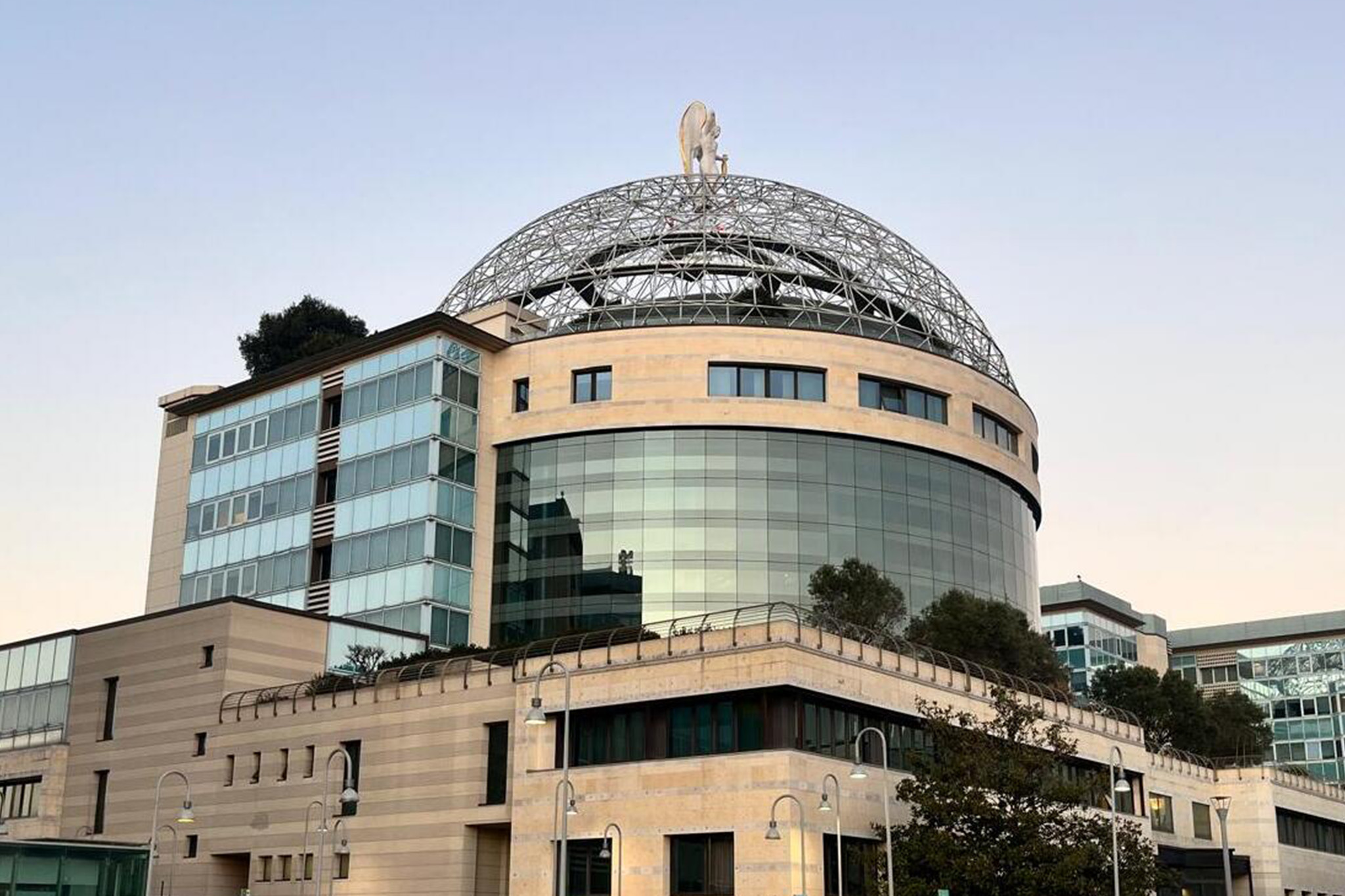
Vita-Salute San Raffaele University (UniSR) is one of the top-ranking Universities in Italy for research and teaching, with more than 200 tenured teaching staff and around 5400 registered students. UniSR is affiliated to the IRCCS Ospedale San Raffaele (OSR), which is part of the largest private hospital group in Italy. UniSR-OSR campus (Milan) is today the main Italian Research Institute in terms of volume and quality of scientific output. There researchers have the unique opportunity to transfer research straight into healthcare practice and patient’s bedside. The excellence of UniSR academic staff and the close partnership between teaching, clinical work and research allows the Faculty of Medicine to provide state-of-the-art training.
Claudio Fiorino, is a Senior Researcher at OSR and Adjunct Professor at UniSR, with more than 25-year experienced as Medical Physicist, fully dedicated to radiotherapy, including both routine and development/research aspects.
He is heading the MP-DReAM Group (Medical Physics: Development and Research with Advanced computational Modeling) which main research areas deal with several MP applications, mainly in Oncology, Radiation Therapy/Radiology, and include predictive modelling, medical imaging & radiomics as well as dosimetry and radiobiology
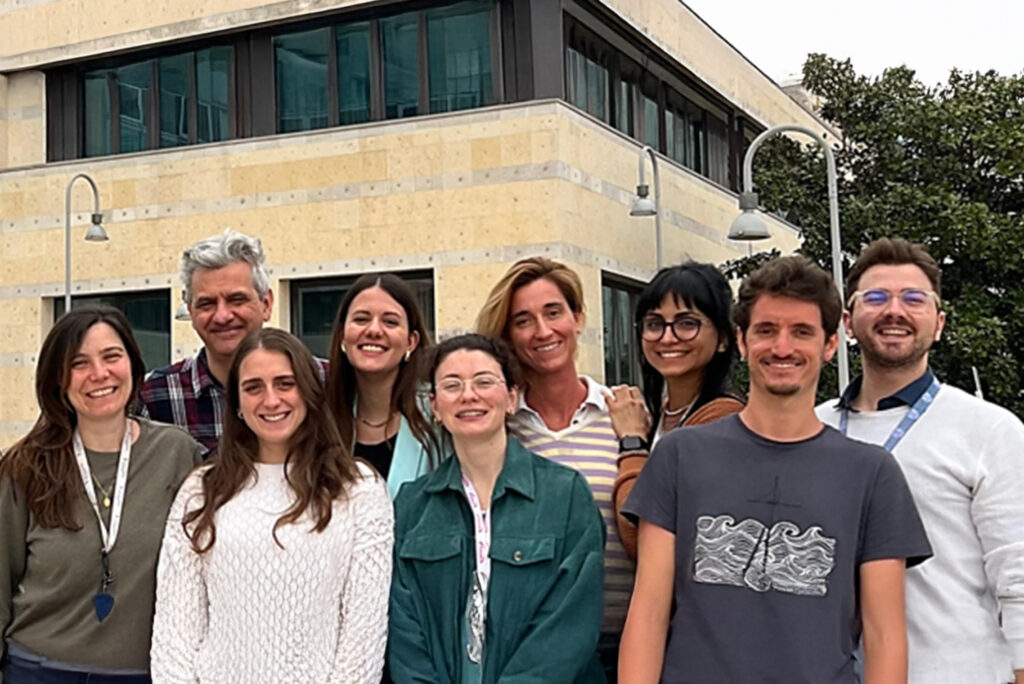
Within the TETRIS Project, he is WP Leader and his team includes Marco Fois, Alfonso Belardo, Gabriele Palazzo and Maria Giulia Ubeira Gabellini from the Medical Physics Dept. of IRCCS San Raffaele Scientific Institute and UniSR, and Andrei Fodor from the IRCCS San Raffaele Scientific Institute Radiotherapy.
UniSR is WP Leader of WP3 – Imaging focuses on extracting quantitative CT image-based biomarkers to be included in the risk scores developed in WP2 and into the CE-marked software tool (WP6). These biomarkers are also considered in prototyping digital twins (WP7).
WP3 establishes all procedures needed to extract imaging biomarkers from both historical datasets (WP1) and new prospectively collected cohorts (WP9), using DICOM-RT CT images.
The work package first evaluates inter-cohort, inter-scanner, and segmentation variability, generating harmonised auto-segmented organ contours to support consistent biomarker extraction. High-priority features, such as cardiac calcium scores, lung density, and breast density, are processed according to IBSI standards (https://theibsi.github.io/ ) and exported to the centralised database for risk modelling (WP2) and digital-twin development (WP7). Lower-priority features related to vascular calcifications, cardiac devices, and body composition are also explored for their potential predictive value.
UniSR is also part of WP1 – Coordination and Project Management, WP2 – Long-term Side Effects Modelling, WP3 – Imaging, WP4 – Genetics, WP5 – Transcriptomics, WP6 – Software Tool, WP7 – Digital Twins and WP8 – Cellular Sensitivity, WP9 – Prospective collection and WP10 – Dissemination and Exploitation.