
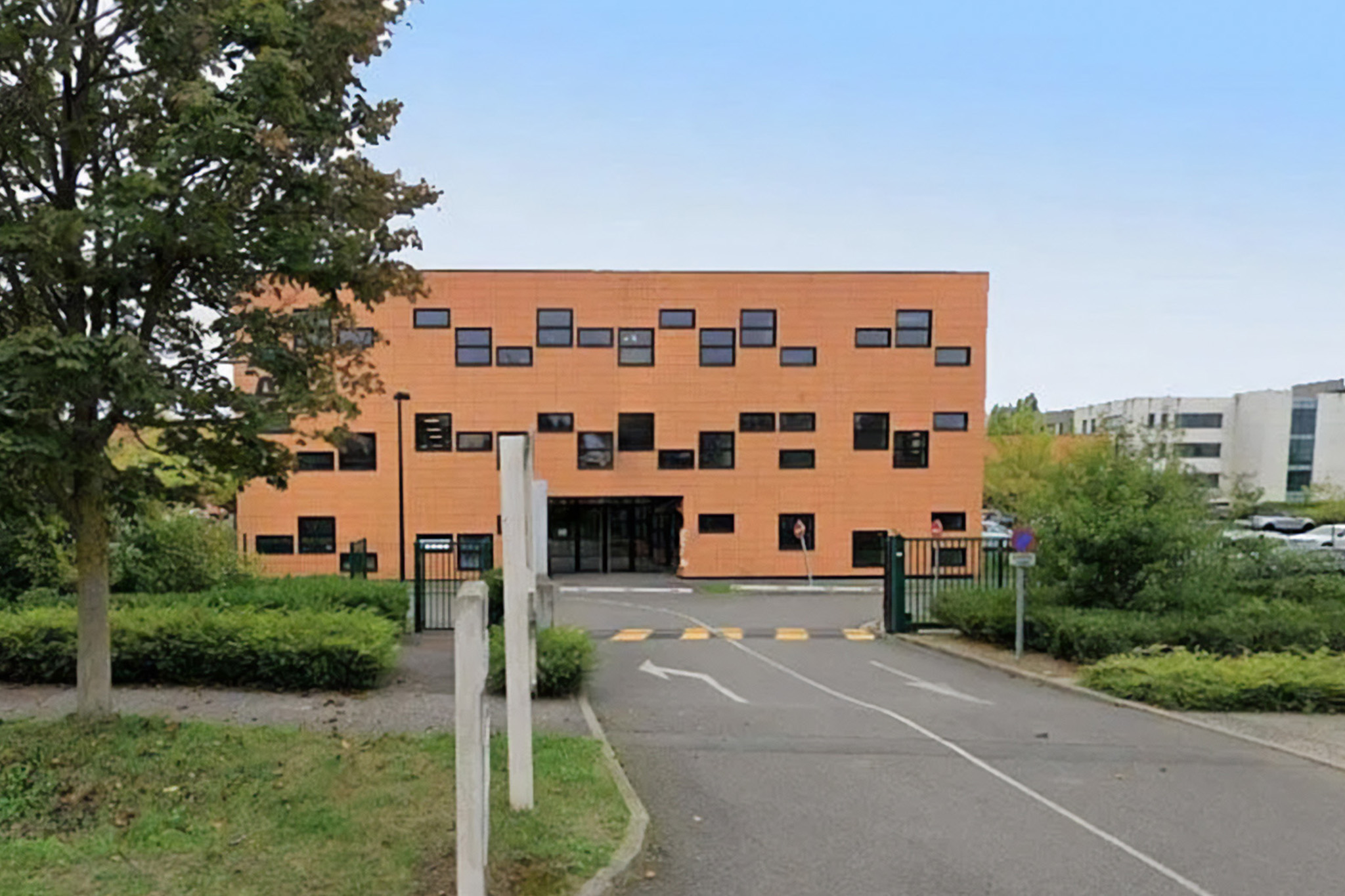
AQUILAB by Coexya is a recognized software provider with more than 20 years of expertise in Oncology.
Founded in 2001, the company develops innovative solutions designed to improve quality and precision in cancer diagnosis and treatment. One of their solutions is Onco Place, a web-based platform that streamlines the management of imaging and radiotherapy data in clinical trials. It enables data collection, harmonization, review and analysis, to ensure study quality, enhance patient follow-up and accelerate the development of predictive models using advanced analytics. It is used in more than 100 clinical studies, supporting over 5,000 users across 80 countries. Another solution is Patient Place, dedicated to ePRO (electronic Patient-Reported Outcomes), which can be integrated with Onco Place when needed. It enhances patient engagement through customizable reports, automated reminders, and secure multi-device access—improving communication, care coordination, and health outcomes. In 2022, AQUILAB joined the Coexya Group (www.coexya.eu) to strengthen its expertise in the field of data and AI and to accelerate its development to bring predictive models to market.
David Gibon, Director of AQUILAB by Coexya, with over 25 years of experience in driving innovation and software development in oncology, is WP Leader in TETRIS Project and his team includes Stéphanie Devaux, Alexandre Charvier and Romain Cauhet.
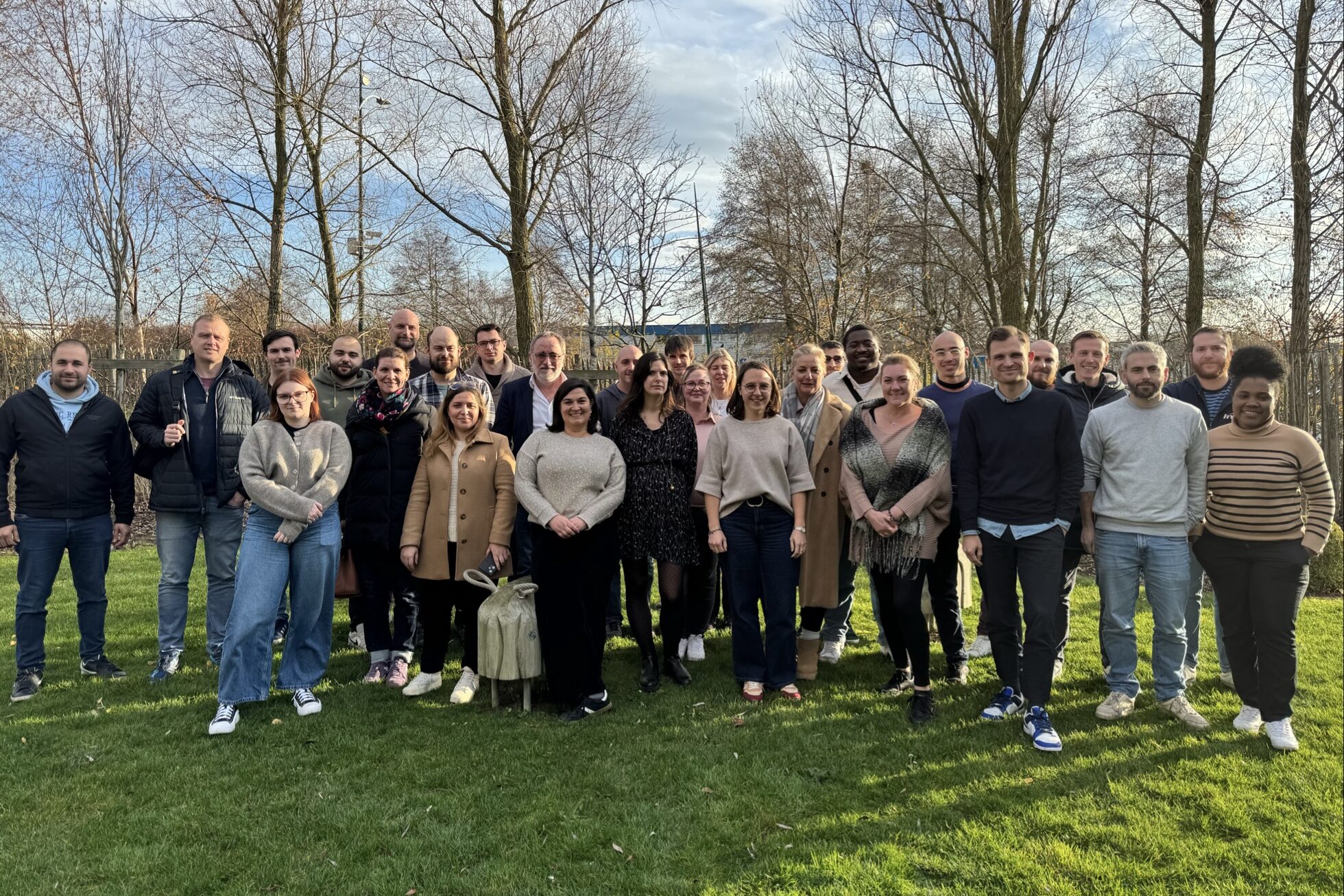
AQB leads WP6 – Software tool and is responsible for developing a CE-marked software platform to automatically compute the single patient risk scores (from low-level to increased complexity) for severe cardiac and pulmonary side effects and second cancers. These scores will be derived from DICOM-RT (including CT image feature extraction) combined with demographics, genetics, transcriptomics, and cellular sensitivity biomarkers.
The global objective of AQUILAB is to bridge the gap between model development and clinical implementation.
AQUILAB is also part of WP2 – Long-term Side Effects Modelling, WP3 – Imaging, WP4 – Genetics, WP5 – Transcriptomics, WP9 – Prospective collection and WP10 – Dissemination and Exploitation.